Photo: Oleksii Bykov
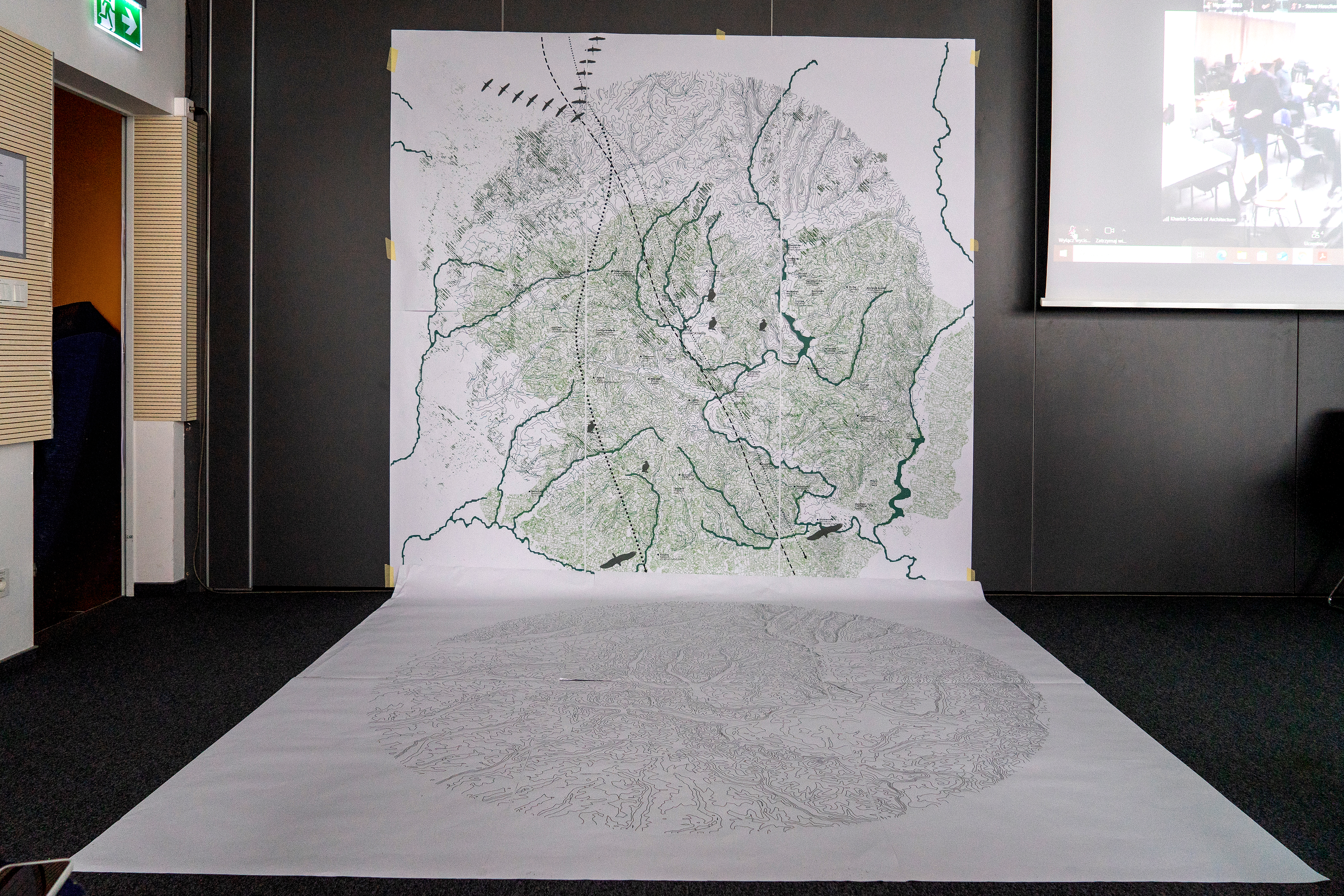
Photo: Oleksii Bykov
Building Back Better: Kharkiv
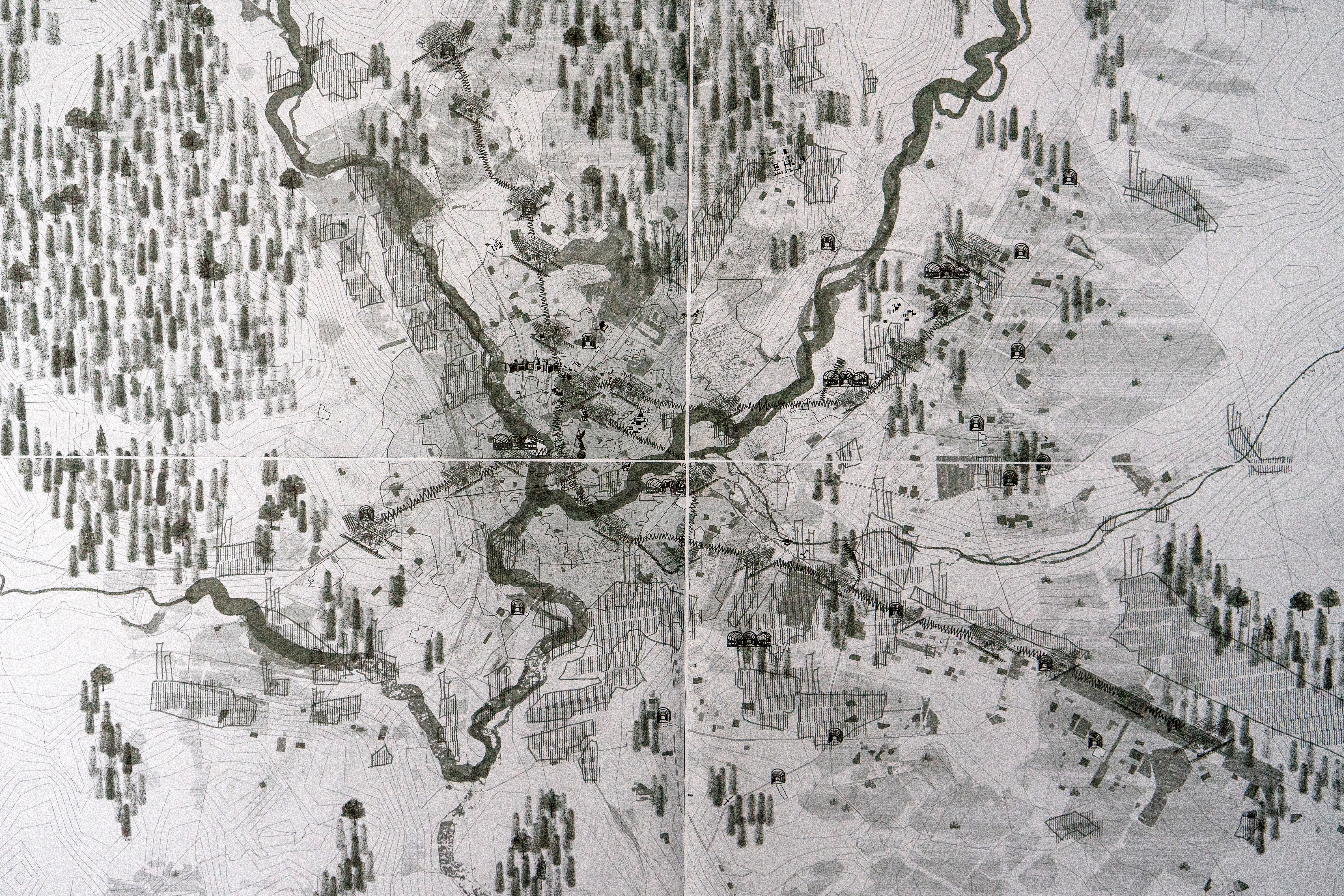
For the second consecutive year, the Faculty of Architecture BUT has organized a joint international workshop together with the Kharkiv School of Architecture, the architecture faculties in Limerick and Dublin, and the Warsaw University of Technology. This collaboration represents an important step in strengthening international partnerships, expanding academic networks, and creating opportunities for student exchange. The workshop provides students with the opportunity to work in an international environment, collaborate with peers from other countries, and temporarily study under professors from diverse countries, thereby gaining insight into diverse pedagogical and design approaches.
The central theme of the workshop focused on possible scenarios for the reconstruction, restoration, and rebuilding of Ukraine after the end of the war.
Photo: Oleksii Bykov
While last year’s workshop focused on Odesa as a strategically important port city, this year, students focused on researching Kharkiv.
Significantly, the initiator of the workshop was the Kharkiv School of Architecture, which was forced to relocate to Lviv due to the war. This makes the topic not only academically relevant but also deeply sensitive and personal for the institution and the broader architectural community.
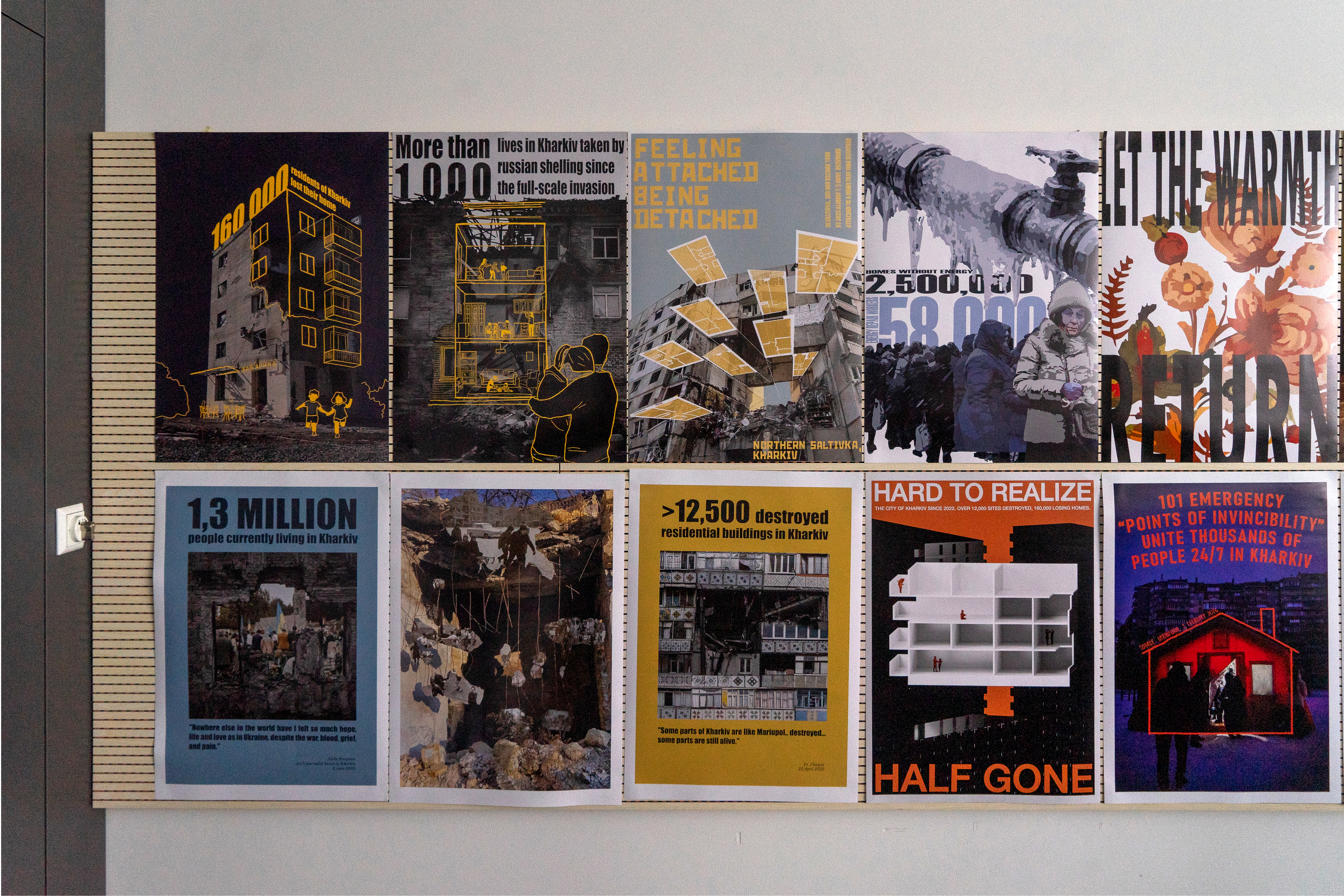
Photo: Oleksii Bykov
Photo: Oleksii Bykov
Kharkiv is one of the key architectural centers of Ukraine. The city may be regarded as the capital of Soviet constructivism and a unique open-air museum of constructivist architecture.
In addition to its remarkable 1920s–30s heritage, Kharkiv also features architecture from various periods of the 20th century, as well as preserved monuments from the 18th and 19th centuries.
Moreover, Kharkiv remains one of Ukraine’s major industrial centers, making it an exceptionally compelling subject for comprehensive urban and architectural research.
One of the primary goals of the workshop was to introduce students from different European countries to Ukraine’s architectural heritage, specifically that of Kharkiv. Through architecture, participants explored Ukrainian culture, its traditions, and its strong connections to the broader European context.
At the same time, students engaged with the unique characteristics of Ukraine’s urban fabric and the tragic legacy of the 20th century, marked by repeated political regime changes that left visible traces in the built environment.
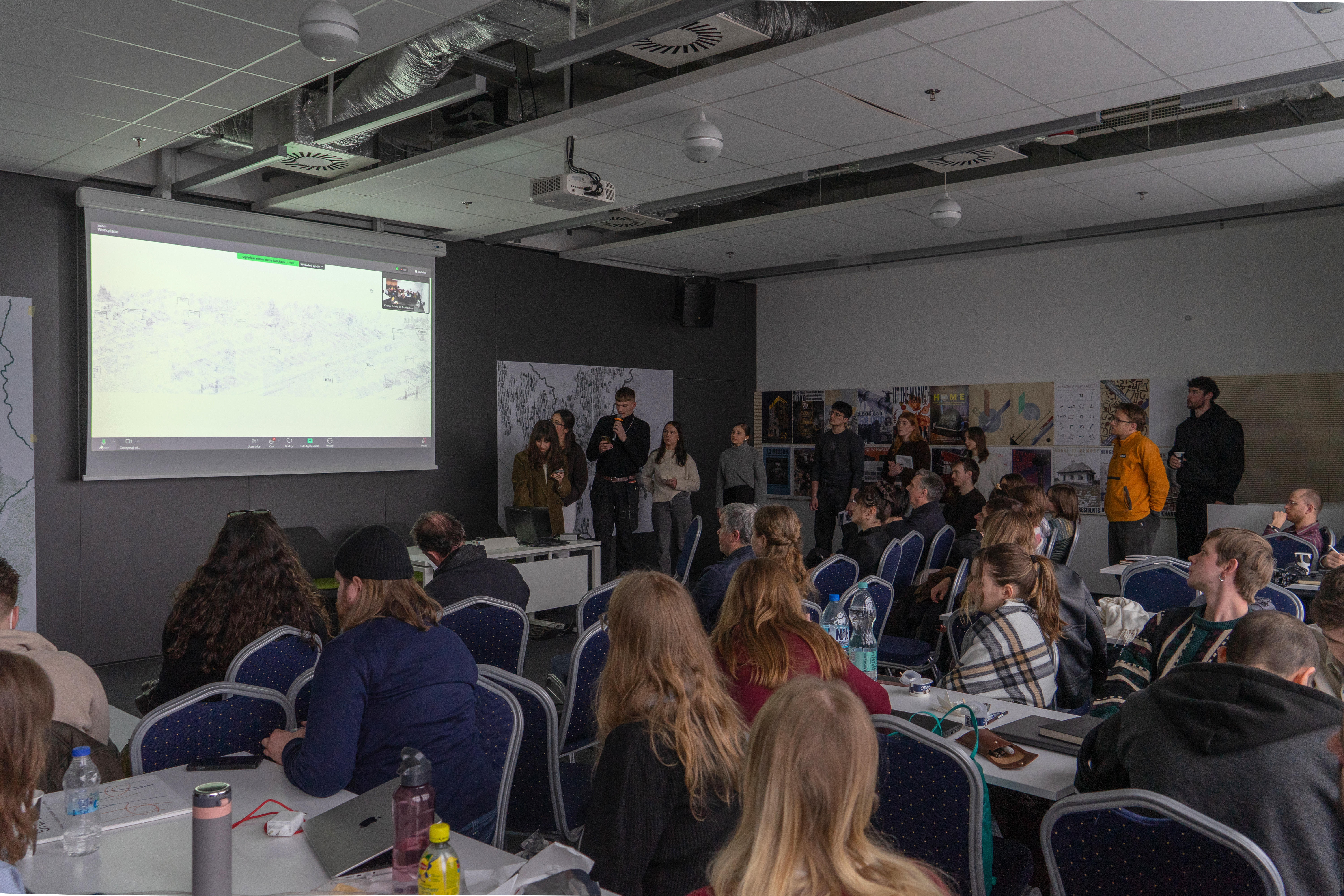
Photo: Oleksii Bykov
Photo: Oleksii Bykov
Given the intensive one-week format, students were encouraged to experiment with alternative and interdisciplinary methods of presentation. Beyond conventional architectural tools, artistic and cross-disciplinary approaches were employed, broadening their professional perspectives and practical skills.
Many students changed groups and instructors during the week, strengthening inter-university exchange. A number of compelling ideas and proposals were presented by participants from Lviv, Warsaw, Brno, Dublin, and Limerick.
Photo: Oleksii Bykov
The workshop has become an important contribution to the academic activities of all participating faculties and has confirmed the value of international collaboration.
The organizers express their hope for continued cooperation at both faculty and student levels in future joint initiatives.
Tutors of the Faculty of architecture BUT:
Alex Bykov
Monika Konrad
Zuzanna Mielczarek
Radek Toman
Monika Konrad
Zuzanna Mielczarek
Radek Toman
FA VUT Students:
Lendvay Tomáš
Kulchynska Solomiia
Šebora Viliam
Pedchenko Alona
Procházková Tereza
Jafarov Nihad
Sporysh Veronika
Srour Amir
Kalichava Natia
Séleš Radovan
Lendvay Tomáš
Kulchynska Solomiia
Šebora Viliam
Pedchenko Alona
Procházková Tereza
Jafarov Nihad
Sporysh Veronika
Srour Amir
Kalichava Natia
Séleš Radovan
(Author of the review: Alex Bykov)
| Inserted by: | Tran Lucie |
|---|---|
| Inserted | |
| Last updated |